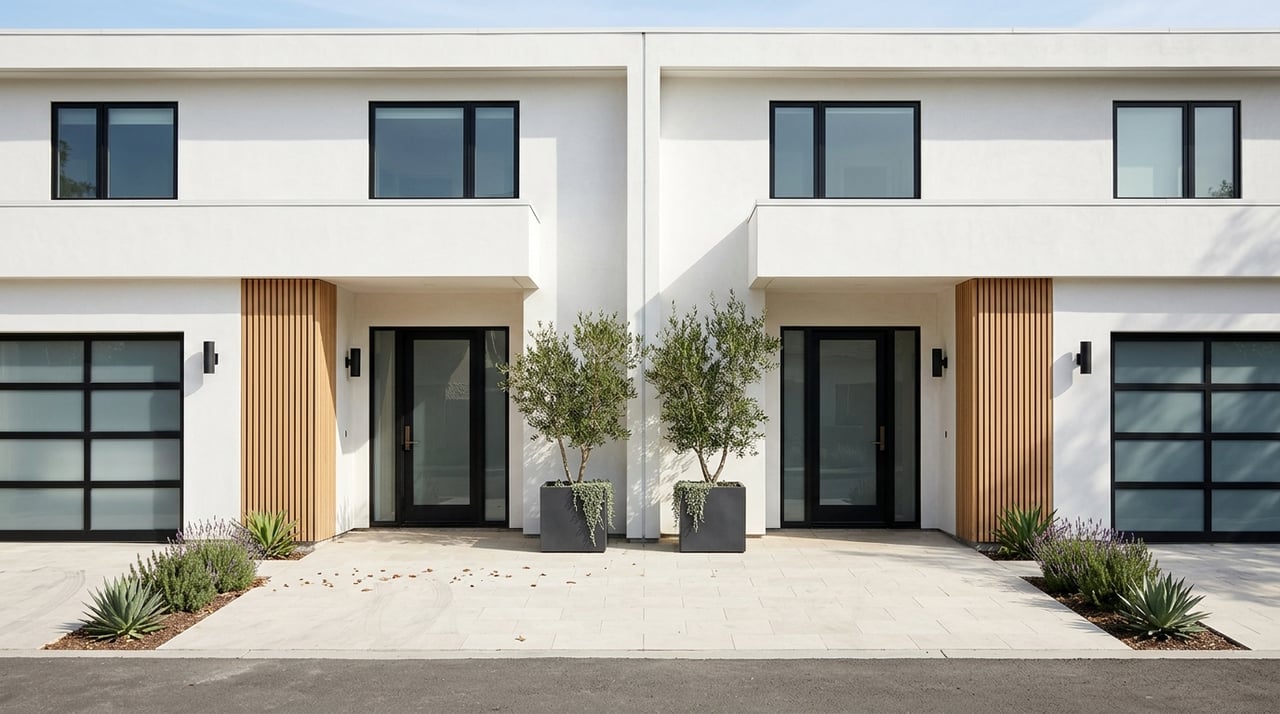
If you want a Calabasas address without stepping into the price tier of a detached estate, luxury condos and townhomes deserve a closer look. In a city known for larger homes, attached residences offer a different kind of value: easier upkeep, shared amenities, and access to a premium location. If you are weighing convenience, lifestyle, and budget in one of LA County’s most established markets, this guide will help you understand what to expect. Let’s dive in.
Why condos and townhomes stand out in Calabasas
Calabasas is a relatively small city at 13.3 square miles, located about 22 miles northwest of downtown Los Angeles between the Santa Monica and Santa Susanna Mountains. It is also an established, high-income market, with a median household income of $136,138 and a large share of homes valued at $1 million or more. That backdrop matters because it helps explain why attached homes play a more specialized role here.
Much of Calabasas housing is oriented toward larger detached homes. Nearly half of occupied homes have four or more bedrooms, so condos and townhomes fill a narrower but important niche for buyers who want the location and lifestyle without the scale or maintenance of a larger property.
What the current Calabasas market looks like
Attached-home inventory in Calabasas is limited, which can make well-positioned listings especially notable when they hit the market. Recent market snapshots show 12 condos for sale with a median listing price of $749,000 and 7 townhouses for sale with a median listing price of $700,000. A separate Q1 2026 report shows a median sale price of $660,000 for condos, compared with $1.7 million for houses.
That price gap helps frame the appeal of condos and townhomes in Calabasas. They are not bargain properties by regional standards, but they can provide a more accessible entry into the city than detached homes while still offering a premium address.
Typical features in Calabasas attached homes
Many attached residences in Calabasas are designed around practical comfort and a more turnkey lifestyle. Recent listings show 2- and 3-bedroom floor plans, roughly 1,000 to 1,650 square feet, which often fits buyers who want space without excess maintenance.
Common features may include:
- Private patios or balconies
- Community pools
- Guest parking
- Two-car parking or garages
- Gated access
- HOA dues in some communities ranging from about $540 to $798 per month
These details matter because attached-home living is often about the full package, not just the interior square footage. You are also evaluating convenience, shared amenities, and how much day-to-day property care you want to handle yourself.
Who luxury condo and townhome living fits best
Downsizers seeking less upkeep
If you are moving from a larger home, an attached residence can offer a simpler ownership experience. You may give up lot size and some exterior autonomy, but you also may gain easier maintenance and shared amenities that support a more lock-and-leave lifestyle.
In a market like Calabasas, that tradeoff can be especially attractive. You stay connected to the city’s location and lifestyle while reducing the demands that often come with a larger detached property.
Busy professionals wanting convenience
For buyers with demanding schedules, convenience often carries as much weight as square footage. A condo or townhome can make it easier to balance homeownership with work, travel, and everyday life, particularly when the community includes features like gated access, parking, and shared amenities.
Calabasas also offers city-supported lifestyle infrastructure that can complement this kind of living. The Calabasas Community Center includes gym and fitness spaces, sports programs, and classes, while the Calabasas Flyer provides on-demand rides within the city and to destinations such as The Commons, shopping plazas, parks, and nearby medical centers.
Buyers prioritizing location over lot size
Some buyers care less about owning a large lot and more about being in Calabasas itself. For that buyer, an attached home can be a strategic choice, especially when the alternative is stretching into a much higher detached-home price point.
For households researching public schools, Calabasas is served by Las Virgenes Unified School District, which also serves neighboring communities including Hidden Hills, Agoura Hills, Bell Canyon, and Westlake Village. As with any home search, it is wise to confirm school assignment and enrollment details directly before making a decision.
Condo vs. townhome vs. detached home
When you compare housing types in Calabasas, the best fit often comes down to how you want to live day to day. Size matters, but so do maintenance, ownership structure, and monthly costs.
| Property Type | Typical Appeal | Main Tradeoff |
|---|---|---|
| Condo | Lower-maintenance living, shared amenities, potentially lower entry price | HOA rules, shared common areas, monthly dues |
| Townhome | More space and separation than many condos, often with private outdoor space or garage | Still subject to HOA governance and shared community structure |
| Detached home | More privacy, lot control, and exterior autonomy | Higher price point and more owner maintenance |
In Calabasas, condos and townhomes are best understood as an amenity-driven alternative within an estate-heavy market. They give you a smaller-scale ownership option in a city where detached homes often command a much higher price tier.
Why ownership structure matters in California
In California, a home’s legal structure matters as much as its appearance. According to the California Department of Real Estate, subdivision type is defined by ownership rights rather than style.
That means a condominium owner generally owns the interior unit and also holds an interest in the common areas. It also means the property is governed by recorded rules called CC&Rs, which run with the land and help define how the property can be used.
This is a key point for buyers in Calabasas. Two attached homes may look similar in photos, but the ownership rights, maintenance obligations, and governing documents can shape your day-to-day experience in very different ways.
HOA rules can shape your lifestyle
If you are considering a condo or townhome, the homeowners association deserves close attention. In California, HOAs make and enforce rules for many subdivisions, planned communities, and condominium buildings. Owners are usually required to become members, follow the rules, and pay fees and assessments.
The core documents often include the CC&Rs, bylaws, and operating rules. These documents can affect everyday issues like use of common areas, exterior changes, parking, and other practical aspects of ownership.
Before you buy, make sure you understand not only the monthly dues but also the broader expectations of the community. A well-run HOA can support property maintenance and a smoother ownership experience, but only if the rules and financial structure fit your needs.
How to budget for HOA dues and assessments
Monthly HOA dues are only one part of the equation. The California Department of Real Estate explains that regular assessments typically fund day-to-day operations and reserve accounts, while special assessments may be used for major repairs or new construction.
There are also limits worth knowing. Regular assessments generally cannot rise by more than 20% per year without member approval, and special assessments imposed without member approval are capped at 5% of the gross budgeted expenses for that year.
For buyers, the practical takeaway is simple: look beyond the list price. A condo or townhome with manageable monthly dues, healthy reserves, and a clear maintenance plan may offer more predictable ownership costs than one with lower dues but weaker financial planning.
What to review before buying
Due diligence is especially important with attached homes. Because maintenance, finances, and community rules are shared, the paper trail tells you a lot about the property you are considering.
Before moving forward, review:
- CC&Rs
- Bylaws and community rules
- HOA budget
- Reserve funding
- Insurance information
- Board meeting minutes
- Special assessment history
If the home is in a new subdivision, a public report must be delivered before contract signing. That report should cover core items such as the property’s location, essential services, title matters, and HOA information.
Older or converted projects may need extra scrutiny. Maintenance and repair costs can be harder to forecast, which makes the HOA’s financial planning and repair history even more important.
Lifestyle amenities beyond your front door
One of the advantages of attached living in Calabasas is that the lifestyle extends beyond the unit itself. For some buyers, proximity to local amenities can matter more than owning a large yard or managing exterior upkeep.
The city’s 30,000-square-foot community center offers gym and fitness spaces, classes, and sports programs. The Senior Center, designed for residents 50 and older, includes features such as an elevator and handicap parking and is within walking distance to shops and restaurants at The Commons.
Those amenities help reinforce the appeal of a more streamlined home base. If you value convenience, access, and day-to-day ease, condos and townhomes can align well with how you actually want to live in Calabasas.
How to approach your search strategically
In a limited-inventory market, clarity matters. Start by defining what matters most to you: price point, square footage, parking, gated access, outdoor space, community amenities, or lower-maintenance living.
Then evaluate each option as both a home and a structure of ownership. A beautiful interior is only part of the story. The HOA’s health, governing rules, and long-term maintenance planning are just as important in attached-home living.
In Calabasas, the strongest opportunities often come from balancing design, convenience, and financial fit. When you understand that balance, you are better positioned to identify an attached home that supports both your lifestyle and your long-term comfort.
If you are exploring Calabasas luxury condo and townhome living, thoughtful local guidance can help you compare options with more confidence. For a tailored, design-aware perspective on finding the right fit in this market, connect with Robb Homes - Robb Friedman.
FAQs
What makes Calabasas condos and townhomes different from detached homes?
- Calabasas attached homes usually offer less lot size and exterior autonomy than detached homes, but they may provide shared amenities, easier upkeep, and a lower price point than the city’s detached-home market.
What is the current price range context for Calabasas attached homes?
- Recent market snapshots show median listing prices around $749,000 for condos and $700,000 for townhouses, while a Q1 2026 report shows a median condo sale price of $660,000 compared with $1.7 million for houses.
What features are common in Calabasas luxury condos and townhomes?
- Recent listings commonly include 2 to 3 bedrooms, about 1,000 to 1,650 square feet, patios or balconies, community pools, guest parking, two-car parking or garages, gated access, and HOA dues in some communities ranging from about $540 to $798 per month.
What should you review before buying a Calabasas condo or townhome?
- You should review the CC&Rs, bylaws, rules, HOA budget, reserve funding, insurance, board minutes, and any special-assessment history before moving forward.
How do HOA fees and special assessments work in California attached-home communities?
- Regular assessments typically fund daily operations and reserves, while special assessments may cover major repairs or construction; regular assessments generally cannot increase by more than 20% per year without member approval, and certain special assessments without member approval are capped at 5% of the gross budgeted yearly expenses.
What local amenities support condo and townhome living in Calabasas?
- Calabasas offers amenities including a 30,000-square-foot community center with fitness spaces, sports programs, and classes, a Senior Center for residents 50 and older, and the Calabasas Flyer for on-demand rides within the city and to local destinations.